
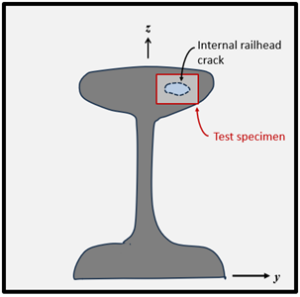
Computational Modeling of Fracture in Rails
It is well known that one of the most significant causes of train derailments within the U.S. is due to rail fracture. Despite this fact, a reliable model for predicting fatigue fracture in rails has not yet been deployed within…
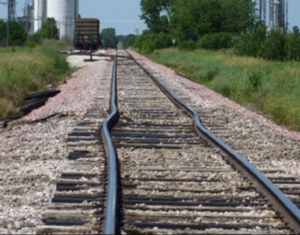
Computer Prediction of Buckling in Rails
It is well-known that track buckling is one of the most commonplace causes of train derailments [FRA 2022]. Accordingly, with partial funding provided by our previous USDOT UTC and the Technology Transportation Center, Inc. (TTCI, now MxV Rail), we are…
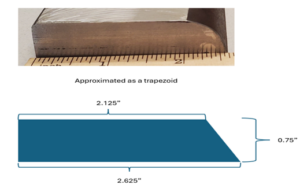
Experimental Assessment of Fracture in Rails Due to Cyclic Loading
Fatigue-related internal cracking in rail heads remains one of the primary threats to heavy-haul railway safety and reliability. Subsurface cracks can grow undetected under repeated wheel–rail loading, eventually leading to rail fracture, service interruptions, and costly maintenance interventions. To improve…

Experimental Determination of Crack Growth in Rails Subjected to Long-Term Cyclic Fatigue Loading
It is well known that one of the most significant causes of train derailments within the U.S. is due to rail fracture. Despite this fact, a reliable model for predicting fatigue fracture in rails has not yet been deployed within…
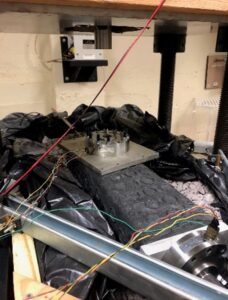
Experimental Determination of Track Structure Properties
It is well-known that aging track structure is one commonplace causal factor in train derailments. Furthermore, track buckling is observed to be more likely in older tracks. As described in our companion proposal, we are developing a computational track buckling…

Finite Element Investigation of Microstructural Effects on Fatigue Crack Propagation in Rail Steel
Railway infrastructure in the United States operates under severe cyclic wheel–rail contact conditions that promote subsurface crack initiation and propagation within railhead steel. While traditional fatigue life assessments rely on macroscale fracture mechanics, the influence of microstructural features—such as grain…